
Applicable conditions
- Low-concentration odors at high airflows
- Sulfur and nitrogen compounds, alcohols, aldehydes and esters
- Residual odors after conventional scrubbing
- Ducted exhaust or appropriately designed recirculation
Core technology
Ozone catalytic oxidation — Activates ozone on catalyst surfaces to address low-concentration, high-airflow and mixed odors that are difficult to absorb.
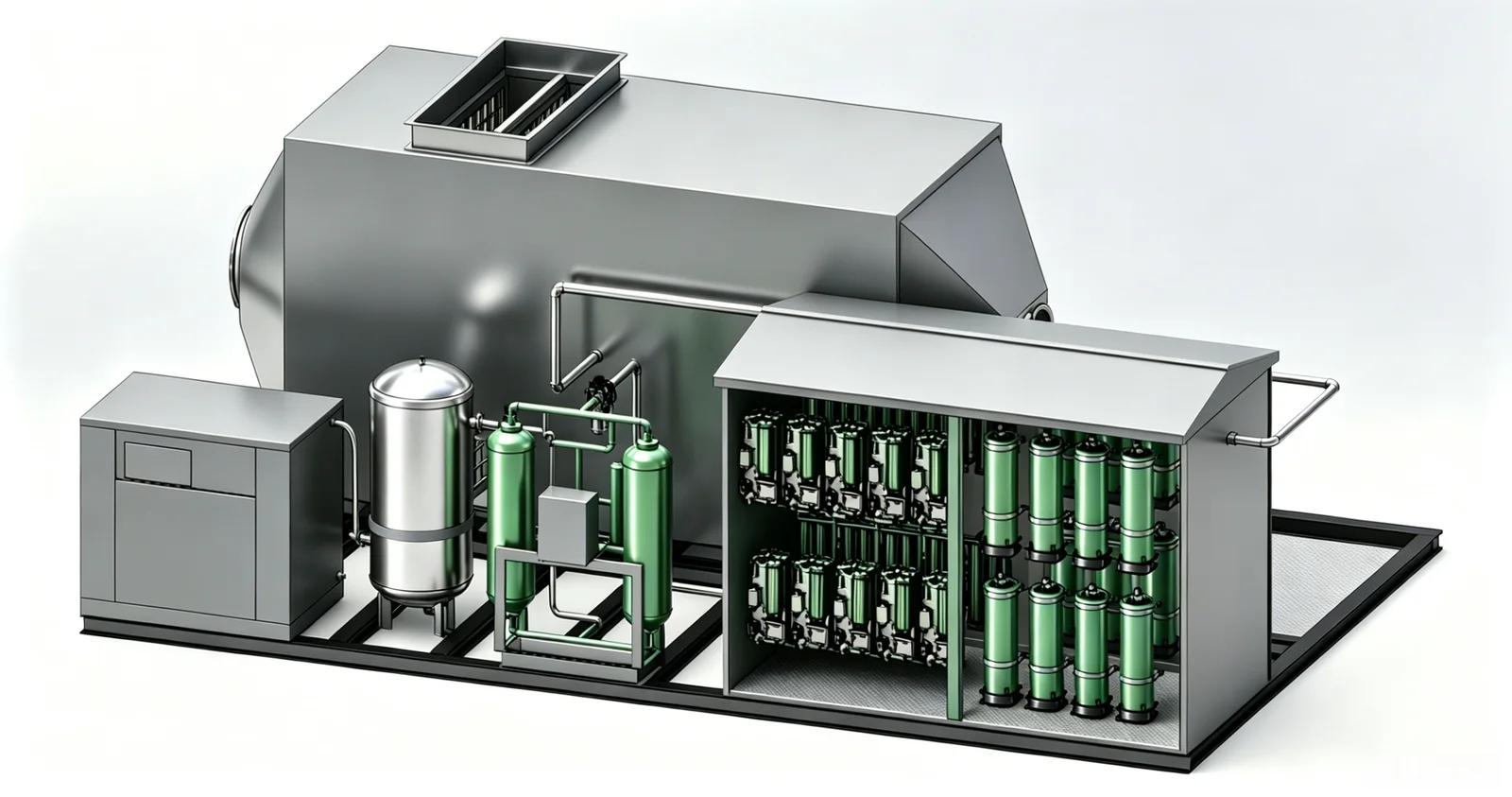
The process uses catalytic activation rather than direct ozone oxidation. Check inlet particles, oil mist, temperature, humidity and condensation risks; provide safety interlocks and residual ozone control.
Typical functions include dry filtration, dehumidification and RAO catalytic oxidation. Complex applications can add JETA, chemical filtration or an adsorption backup.
PROCESS & OPERATION
RAO combines ozone generation and catalytic reaction with filtration, humidity management, fans and monitoring. Suitability for low-concentration odors is verified against the actual operating conditions.
Explore testing & validation ↗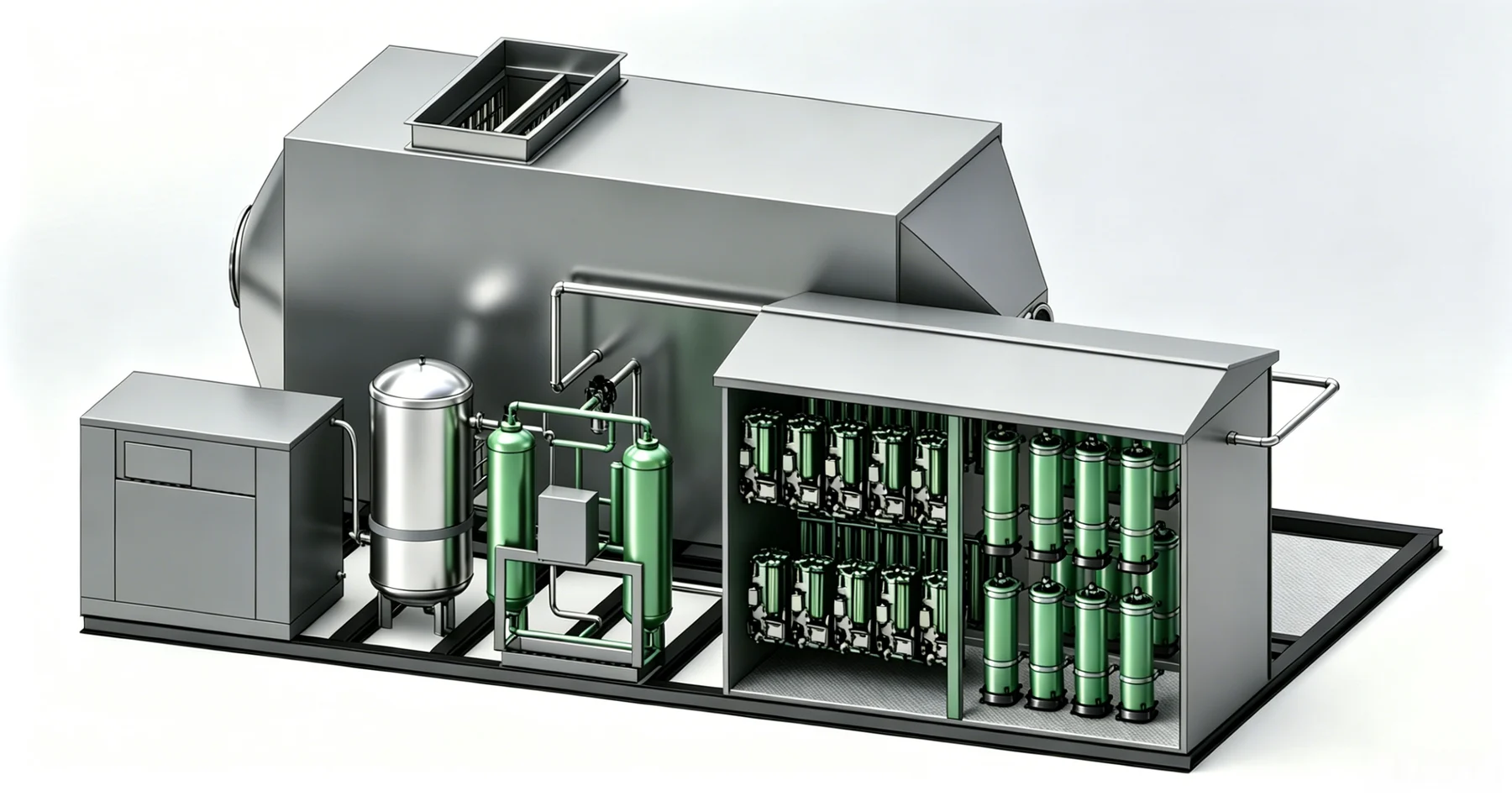
Control oil mist, particles and condensate before the reaction section.
Coordinate ozone generation with pollutant load and fan status.
Set media loading and contact time using trial results.
Monitor target pollutants, residual ozone and system pressure drop.
Integrate oxygen-fed ozone generation, catalyst modules, pretreatment, fans and controls as required.
Coordinate fans, access doors, generation equipment and fault states for start-up, shutdown and servicing.
Review humidity and temperature variations, media life, residual ozone and potential reaction intermediates.
LET’S TALK ABOUT YOUR PROJECT
Share your airflow, temperature, humidity, target pollutants or cleanliness requirements. We will help assess suitable equipment and system configurations.